

The Global Impact Summit recently took place in Sydney and it has put a spotlight on a question increasingly being asked across Australia’s social-impact sector: who gets to define impact, and whose contribution is being overlooked? Held early August 2026, the summit brought together people working across philanthropy, business, community organisations, social enterprise, government and advocacy to examine how investment, leadership and community-led action can contribute to social change. One of the sessions, “Community to Capital: Black Leadership in Australia’s Impact Ecosystem,” placed Black-led community work at the centre of that discussion.
The panel examined how Black-led initiatives contribute to Australia’s social, cultural and economic life, while questioning whether conventional measures of impact adequately recognise that work. The session included Annette Cole of Amplify Black Women, Aletana Ajulo of Blk Curate Collective, Bishop Laryea of African Youth Initiatives Centre, Catherine Madziva of Ikon Institute and Hawanatu Bangura of Mahawa Creative.
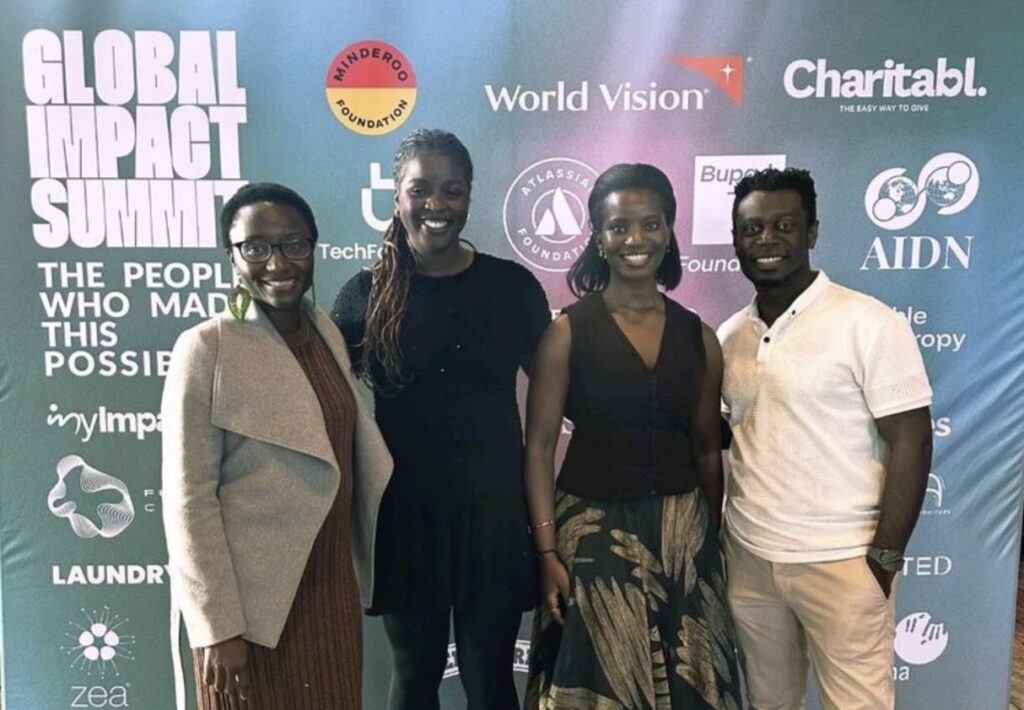
Catherine Madziva, Aletana Ajulo, Annette Cole and Bishop Laryea at the Global Impact Summit
A central theme was the role of lived experience. Rather than treating personal and community experience as background information, the discussion considered it a form of knowledge that can influence leadership, trust, decision-making and the way community outcomes are understood.
Speaking at the summit, Annette Cole, an African-Australian women’s leader argued that much of Australia’s most significant community work begins outside formal institutions and can remain under-recognised. Reflecting on the summit afterwards, she said, “So much incredible work happens within Black communities that isn’t always recognised, funded or seen as part of the broader impact ecosystem.”

The question of recognition is also closely tied to funding. The summit program noted that many Black-led initiatives remain underrepresented in data and overlooked in funding decisions, despite the social and economic value they generate. The panel therefore moved beyond the question of whether Black communities are creating impact to ask whether existing funding and measurement systems are capable of seeing that impact.
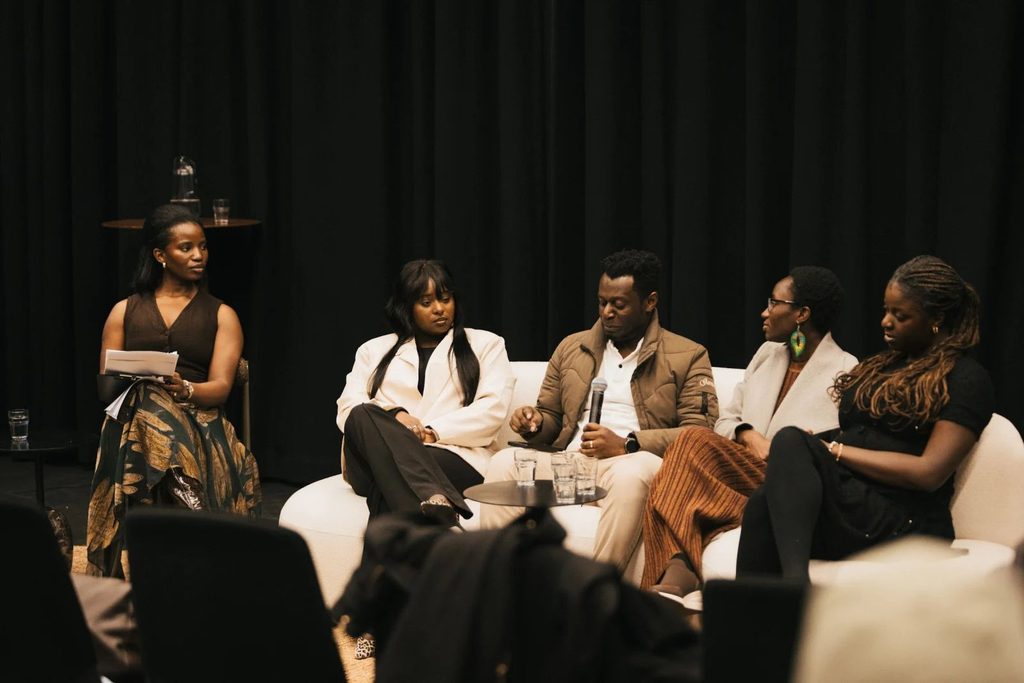
A view of a panel discussion held during the summit
For community organisations and emerging leaders, the issue has practical consequences. Access to appropriate capital can influence whether community-led ideas remain small or develop into sustainable programs, businesses and institutions. Recognising cultural knowledge, relationships and trust as valuable assets can also broaden the way funders and policymakers assess the strength of community initiatives.
Aletana Ajulo, founder of Blk Curate Collective and one of the panellists, remarked that the conversation provided an opportunity to discuss “community impact, capital, investing in Black/African businesses and ways to sustainably build our communities.” he stated.
The summit’s focus on community-led impact also reflected a wider shift in Australia’s social-impact sector towards considering forms of capital beyond finance. Relationships, cultural knowledge, networks, lived experience and community trust can all shape whether initiatives are able to build lasting change, particularly in communities that may not always have equal access to mainstream institutions or funding channels.
For African and broader Black communities in Australia, the discussion has relevance well beyond the summit itself. The question of how community contribution is measured affects which organisations receive funding, which leaders are invited into policy conversations, and whether the work already taking place in local communities is recognised as part of Australia’s wider social and economic story. The Global Impact Summit therefore provided a national platform for a conversation that has implications at the grassroots level: impact is not only about what communities achieve, but also about whether Australia’s systems are prepared to recognise the value of how they achieve it.
