

A recent discussion within a leaders group sparked a question that has been simmering beneath the surface of Victorian African communities for years: why does Victoria — home to the largest African Australian population in the country — still lack a unifying body to represent its diverse communities?
The question was pointed and timely. Western Australia and Queensland have established frameworks. New South Wales has recently formalised its own entity. Yet Victoria, with its substantial and vibrant African population, remains fragmented, with no unified structure capable of speaking with a collective voice.
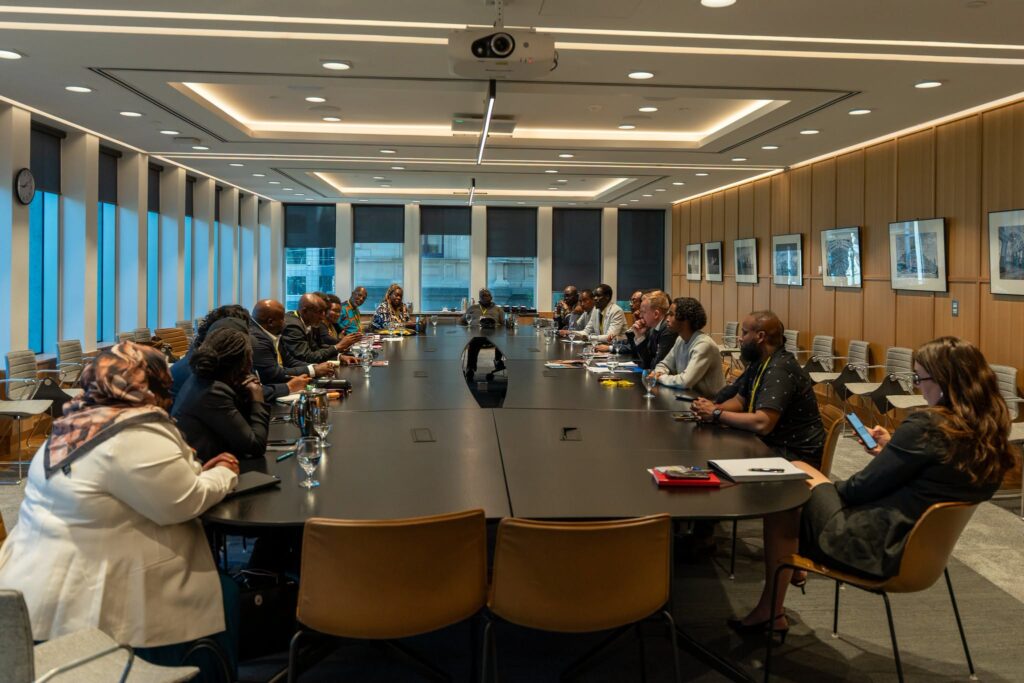
African-Australian community leaders meeting a member of parliament in Victoria
The responses that followed painted a picture that is both revealing and uncomfortable. One leader noted that a framework already exists within the African Australian Communities Leadership Forum (AACLF), suggesting that what is needed is simply the will to formalise governance structures and bring people together. Another asked for the framework to be shared — a simple request that underscores a deeper issue: how many in our communities even know these frameworks exist?
But it was the subsequent contributions that cut to the heart of the matter, and I find myself nodding in agreement while also feeling a profound sense of frustration.
The Comfort of Celebration Over the Hard Work of Change
One respondent expressed scepticism — not out of pessimism, they clarified, but out of a clear-eyed assessment of our current priorities. Their observation was devastating in its accuracy: as a group, our attention seems disproportionately centred on events, celebrations and entertainment. Considerable energy is devoted to attending functions, taking photographs and sharing them on social media.
Let me be clear: these activities have their place. They foster social connections, celebrate our cultures and bring joy to our communities. But when they become the primary expression of our collective identity and leadership, we have a problem.
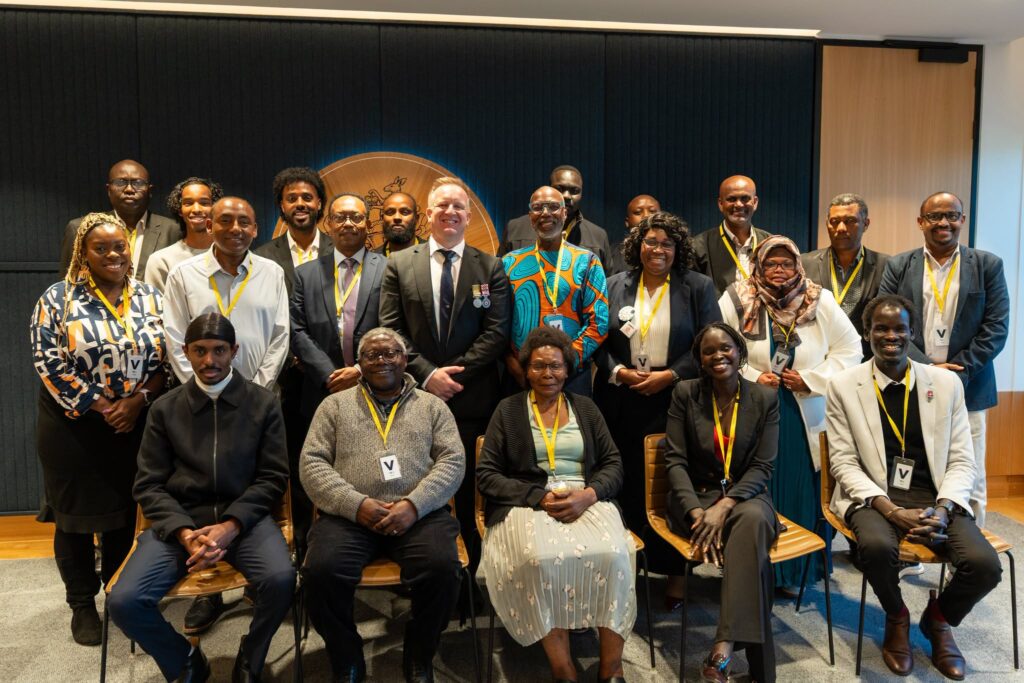
The respondent asked a question that deserves serious reflection: who really knows what the Victorian African community plan has achieved? People are happy to attend meetings with government representatives, but they don’t seem to question things in any meaningful way.
This is the crux of my concern. We have become comfortable with the optics of engagement — the meetings, the photo opportunities, the social media posts — without the substance of accountability. Where is the reporting back to community? What questions are being asked in those meetings? What answers are being proposed? Where are the gaps? Who is doing what to address the challenges our communities face?
Our progress, as the respondent noted, will ultimately depend not on how many events or meetings we organise, but on the strength of the institutions we build and the real difference they make in people’s lives.
The Illusion of Representation
A second respondent went further, calling for us to reconsider how representatives of African communities are selected to engage with the Victorian Government. Their observation is one I have heard echoed in private conversations for years: a small number of people from similar networks appear to hold most of the seats at the table, while other African communities remain marginalised or entirely absent from important discussions.

We see these marginalised communities at public celebrations and cultural events. We see them in the audience. But their presence does not translate into meaningful representation or participation in government consultations.
The respondent made a crucial distinction: representation should not be based solely on owning an organisation, holding a leadership title or having established connections with government. It should be based on trust, community engagement and accountability. Running an organisation should not automatically entitle someone to speak on behalf of all African communities.
This is not to dismiss the valuable work of not-for-profit organisations or community leaders. Many make important contributions. But government advisory committees must not become closed circles involving the same familiar faces while less visible communities struggle to have their voices heard.
The Absence of Innovation and Accountability
What strikes me most about this discussion is what it reveals about our collective approach to advocacy and community development. Where is the innovation? Where are the tools designed to capture community members’ ideas, opinions, issues and challenges? Where are the systems for reporting back, for measuring impact, for ensuring accountability?
We have leaders who are happy to go to meetings with authorities. But too often, there is no communication with the community about what they are doing, what questions are being asked and what answers are being proposed. There is no transparency about where the issues lie, who is addressing them, where the gaps remain and what is being done to build institutions for long-term change.
This is not simply a criticism of individuals. It is a systemic issue that requires a systemic response.

A Path Forward
The second respondent offered a practical way forward: bring African communities across Victoria together to develop a fair and transparent model for representation. This should include community-led nominations, agreed selection criteria, clear reporting responsibilities and regular opportunities for communities to raise concerns and assess the outcomes achieved.
Government advisory committees should also include people with relevant skills, professional experience and a sound understanding of public policy and community needs — including academics, professionals and people with genuine grassroots experience. Selection criteria should be transparent, with proper consideration given to diversity, conflicts of interest and the ability of representatives to maintain meaningful connections with the communities they represent.
True unity, as the respondent noted, does not mean allowing a small group to speak for everyone. It means ensuring that every community has a genuine voice, a fair opportunity to participate and a meaningful role in shaping decisions that affect its future.
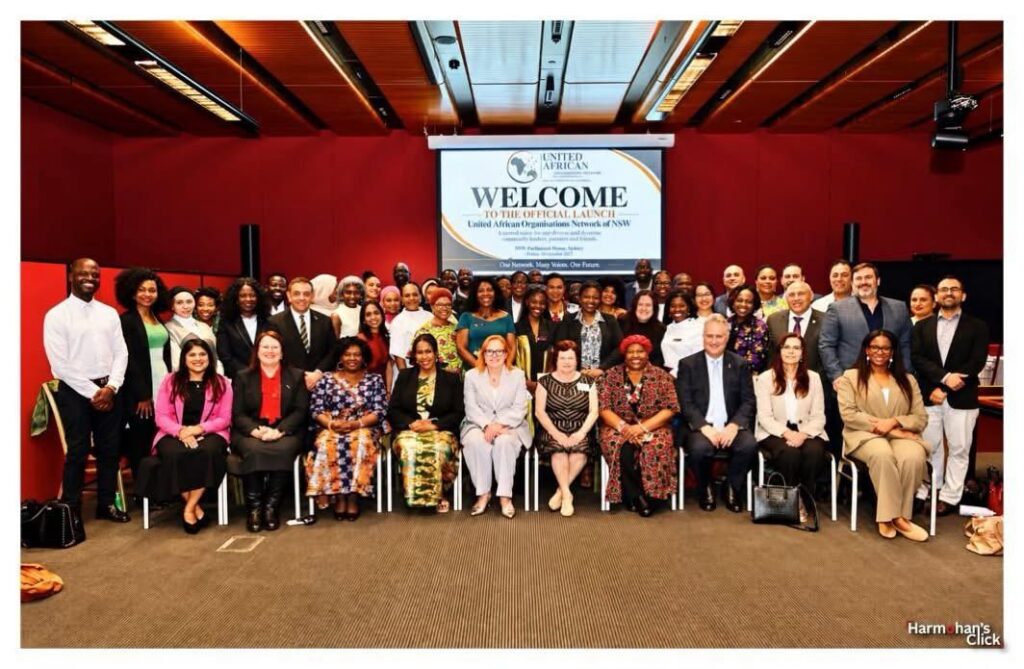
The recently established United African Organisations Network of NSW
The Question We Must Answer
So why isn’t Victoria able to do what WA, QLD and now NSW have done?
The answer, I fear, is not about capacity or resources. It is about will. It is about whether those who currently hold positions of influence are willing to cede some of that influence to ensure broader representation. It is about whether we are willing to move beyond the comfort of celebrations and photo opportunities to do the harder, less glamorous work of building institutions.
We do not simply need people who sit at government meetings in the name of African communities. We need representatives who are chosen by their communities, who listen to them, who communicate their concerns and who remain accountable to them.
The conversation in that leaders group was a start. But a conversation is not enough. It is time for action. It is time for a new approach — one that prioritises substance over spectacle, accountability over access and genuine community empowerment over individual advancement.
Victoria’s African communities deserve better. And they deserve it now.
The writer is a member of the Victorian African Australian community who has followed these discussions with interest and concern.
