

2 mins read | Andrew Gai
Family Violence in Australia affects families from all cultural backgrounds — African and Multicultural Communities Must Be Part of the Solution!
On Friday, 20th November 2026, I joined thousands of Victorians in the Walk Against Family Violence, standing in solidarity with victim-survivors and calling for an end to violence against women and children.
The statistics are deeply concerning.
According to Australian Femicide Watch, 62 women have been killed by violence across Australia in 2026, with 50 women reportedly knowing their killers.
If this is not a national emergency, then what is?
Family violence is one of the most serious issues affecting Victorian families, including those from African, refugee and multicultural backgrounds. Yet, despite its devastating impact, it has received nowhere near the attention it deserves during this year’s Victorian state election campaign.
Let’s put this into perspective. According to Victoria’s Crime Statistics Agency, 102,674 family violence incidents were recorded in the 12 months to March 2026. That’s approximately 281 incidents every day, or one recorded incident every FIVE minutes!
These are not just numbers. Behind these statistics are women, children, fathers, mothers and entire families whose lives have been affected by violence, fear and trauma.
And we know that many incidents of family violence are never reported.
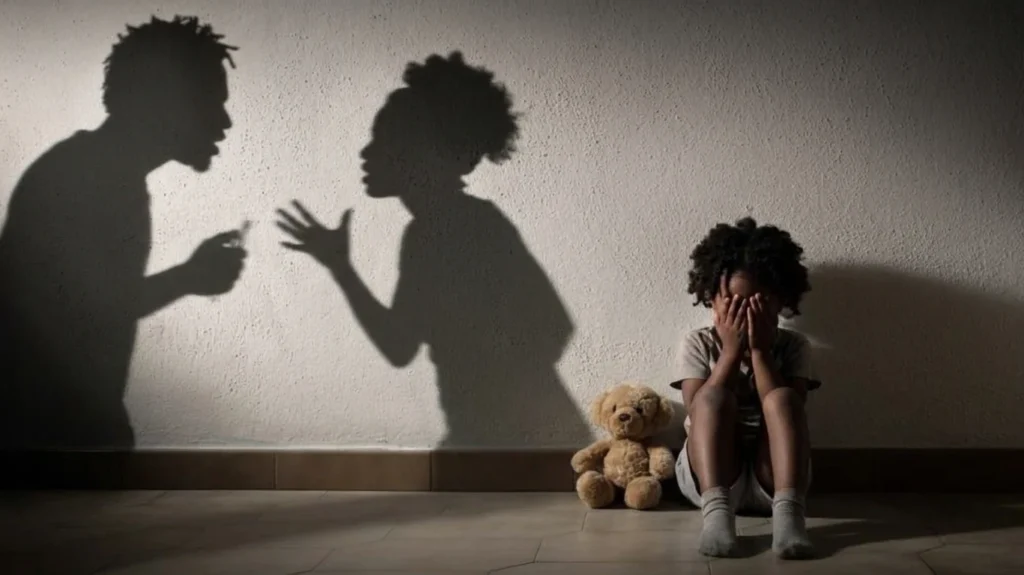
Family violence affects all communities in Australia
What does this mean for African and multicultural communities?
Family violence is not unique to any culture, religion or ethnic community. It is a problem across the Australian society.
However, some families from refugee and migrant backgrounds face additional barriers when seeking help, including language difficulties, limited knowledge of the Australian legal and service systems, fear of authorities, cultural stigma, social isolation and concerns about family or community reputation.
For some, the pressure to keep family matters private can discourage victim-survivors from seeking support.
We must challenge this thinking.
Protecting the reputation of a family or community should never come at the expense of someone’s safety.
Our African and multicultural communities have many strengths, including strong family connections, respect for elders, faith, resilience and collective responsibility.
We should draw on these strengths to promote safe, respectful and healthy relationships.
However, we must also be prepared to have difficult conversations about harmful attitudes towards women, gender inequality, controlling behaviours and the misuse of culture or religion to justify violence.
Culture is not an excuse for violence. Faith is not an excuse for violence. And family unity should never mean enduring abuse in silence.
I particularly want to encourage more African and multicultural men, fathers, faith leaders and community leaders to become positive role models and active bystanders.
This means challenging disrespectful language and behaviours towards women, speaking out against sexual harassment, and teaching our boys and young men that being a responsible man is not about power and control.

It is about equality, mutual respect, accountability and shared responsibility.
We also need our community organisations, churches, mosques, sporting clubs and cultural associations to play a more active role in family violence prevention, education and early intervention.
Communities cannot do this work alone
Throughout this Victorian election campaign, political parties have made promises to increase police numbers and improve community safety.
While policing is important, we cannot arrest our way out of family violence. We must also prevent it from happening in the first place.
We need greater investment in community-led prevention programs, culturally responsive family violence services, professional interpreters, early intervention, behaviour change programs and support for victim-survivors.
Services must be accessible, culturally safe and trusted by the communities they are intended to support.
We also need stronger partnerships between government agencies, specialist family violence services and African and multicultural community organisations.
My challenge to the political parties
What concrete commitments are you making to prevent family violence, particularly in communities where language, cultural and systemic barriers can make accessing support more difficult?
How will you invest in community-led solutions and ensure African and multicultural communities are genuinely involved in designing and delivering prevention programs?
Roads matter. Cost of living matters. Employment matters. Community safety matters.
But surely the safety of women and children in their own homes deserves to be at the centre of this election campaign too!
And to my fellow African and multicultural community members, this is not simply a government problem. It is a responsibility we all share.
We can preserve the positive values of our cultures and faiths while challenging attitudes and practices that cause harm.
We can raise boys who respect girls and women.
We can support men to take responsibility for their behaviour.
We can build families where women, men and children feel equally valued, respected and safe.
The path towards ending family violence begins with relationships built on equality, mutual respect, and shared responsiblity.
Let’s be part of the solution!
Andrew Gai is a Victorian family violence practitioner, community leader and public policy advocate with more than 16 years of experience working with young people, families and communities. His work focuses on family violence prevention, behaviour change, culturally responsive practice and community engagement.
END
About the author :
Andrew Gai is a community advocate and Family Violence Practice and Prevention Consultant.
