


3 mins read | By Gracia Mukiibi
I arrived in Australia at 13. Over more than two decades, I have seen women become one another’s strongest supporters—and, at times, their harshest critics. I was fortunate to be mentored by women who generously shared their time, knowledge, and encouragement. They helped me with my homework, showed me the ropes and believed in the leader I could become. Before I could recognise my own potential, they helped me see it. They did not judge me for my skin colour or the hardships I had faced before arriving; they simply cheered me on wholeheartedly.
That support continued in my first job. Shortly after my 18th birthday, I began working for Zeljka as a Housing Administrator and Case Worker supporting refugees. I worked with her for four years, doing work I was passionate about. Her mentorship and coaching helped me grow, build confidence and excel. She showed me that leadership means creating space for others, not simply protecting one’s own position.

Multicultural Women need to work together and support each other
Later workplaces did not always offer the same support. I encountered challenging managers, both men and women. In one male-dominated field, I asked a female manager for help while facing opposition from my male counterparts. Although she had thrived in that environment, she declined to support me. Her response discouraged me, but it also clarified the kind of leader I wanted to become: someone who remembers the uncertainty of starting out and offers others the encouragement I once received.
Choosing solidarity over rivalry
When another woman’s success feels like a threat, jealousy can turn us into competitors rather than allies. We risk undermining her instead of recognising that her achievements do not diminish our own. We must challenge the idea that there is room for only one of us. Another woman’s progress can open our eyes to new possibilities, not give us a reason to withdraw our support.
For African Australian women, “fixing each other’s crowns” means offering support without humiliation: encouraging a woman who doubts herself, correcting her with kindness and celebrating her success without comparison. Solidarity does not require agreement on everything. It requires us to handle disagreement with dignity and never turn another woman’s vulnerability into a source of shame.
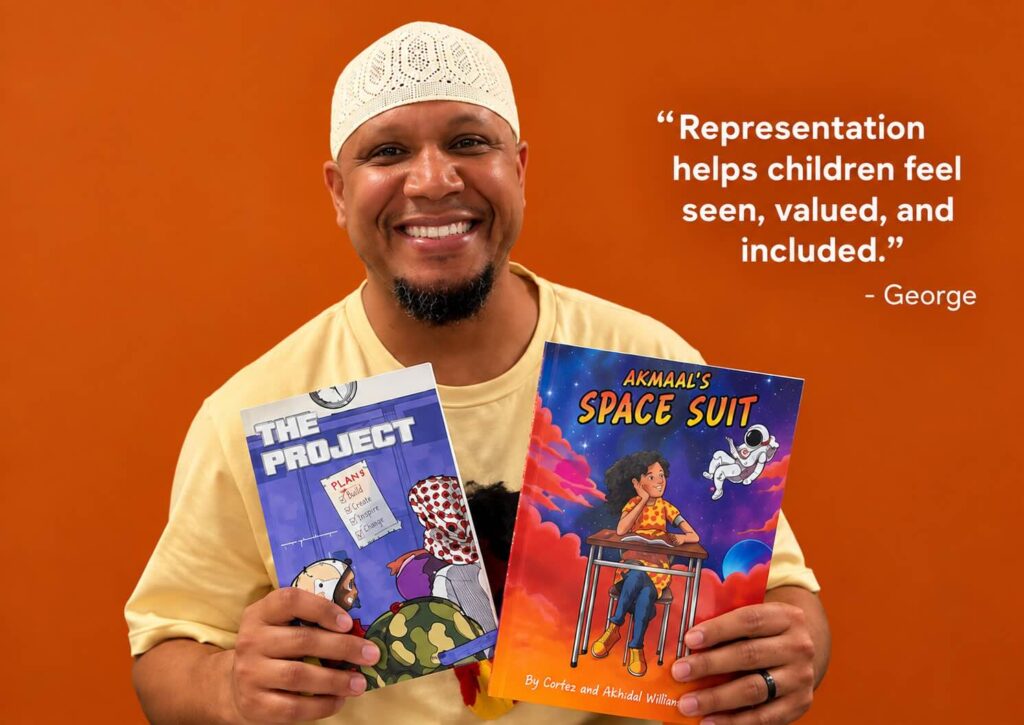
Visit the website of the found of Little Global People (LGP)
That care must extend across differences in race, class, faith, age and migration experience. We cannot assume that our own journey represents every woman’s experience. By listening and making space for voices different from our own, we strengthen one another.
Through mentorship, advocacy and shared opportunities, we can turn personal achievement into collective freedom. To make that support meaningful, we must move beyond encouraging words and put solidarity into practice.
Moving beyond visibility to shared leadership
I have learned that finding one’s voice is both personal and political. When an African Australian woman speaks with authority, enters a previously closed profession, builds a business, leads a congregation, or shares her story, she challenges assumptions about where she belongs. Yet visibility is not the same as being heard, and an invitation into a room is not the same as a voice in its decisions.
Collective freedom demands more than symbolic inclusion. African Australian women’s experiences must be heard and believed, their leadership supported and their communities adequately resourced. Their cultural knowledge, expertise and lived experience must help shape policies and institutions from the outset.
Each of us can help turn solidarity into action. We can mentor someone and encourage her growth, we can share an opportunity that could help another woman adance, we can adknowlege another woman’s work and celebrate their contribution and we can also speak up when other women’s voices are overlooked.
Let us measure progress not only by how far we rise, but by whom we help rise with us.
