

Thirty professionals from 12 African countries have completed a specialised training programme on countering terrorism and violent extremism, as Australia strengthens its engagement with African institutions on regional security and professional development. The two-week Australia Awards Africa short course concluded late Octobre with a closing ceremony in Nairobi, Kenya. Funded by the Australian Department of Foreign Affairs and Trade (DFAT) and delivered by Curtin University in partnership with local organisations, the programme brought together professionals working across different areas of counterterrorism and preventing violent extremism (CTVE).
The training was designed to strengthen participants’ knowledge, professional capabilities and ability to contribute to security initiatives in their respective countries. Bringing together practitioners from different national and professional backgrounds also provided an opportunity to exchange experiences, examine regional challenges and explore approaches to preventing extremist violence. The programme reflects the importance of developing African expertise and strengthening cooperation between national institutions, regional organisations and international partners.
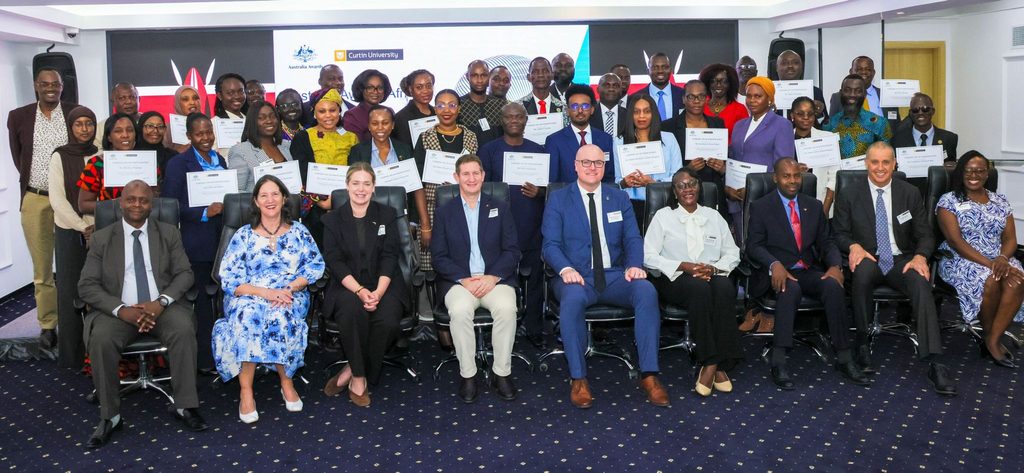
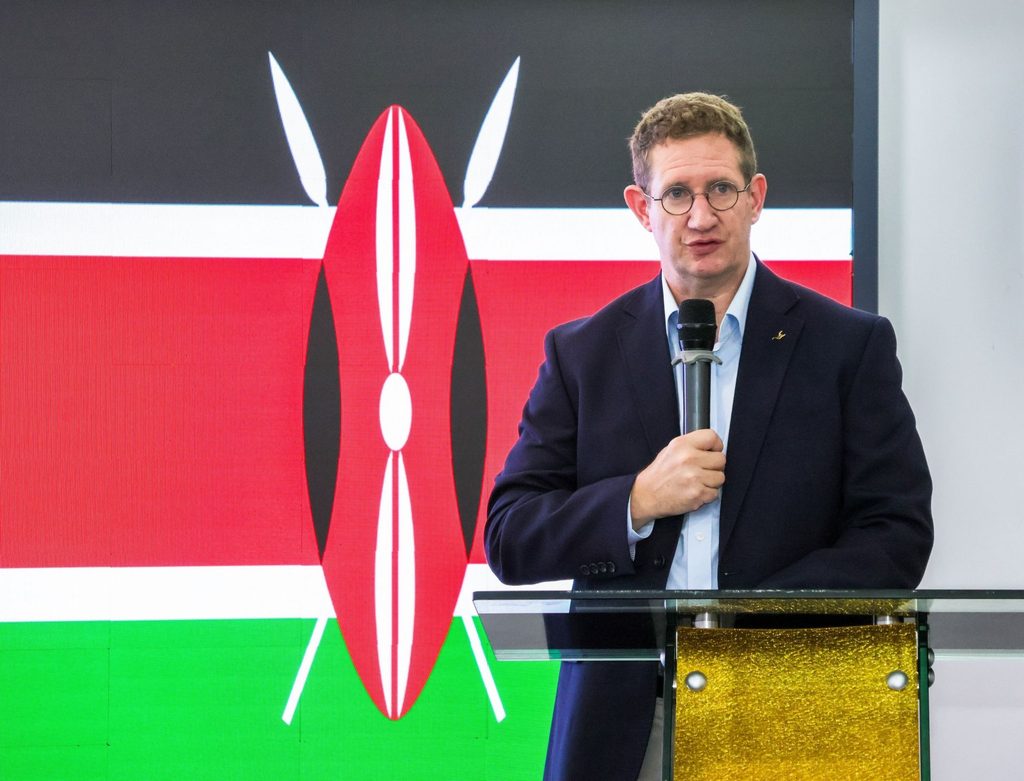
The closing ceremony featured a keynote address by Dr Seth Appiah-Mensah, a former United Nations peacekeeping official, who spoke on “The Importance of Intra-African and International Cooperation on CTVE”. His address highlighted the significance of collaboration across national borders in responding to security threats that increasingly affect multiple countries and regions. The programme also included closing remarks from Associate Professor David Mickler, Curtin University’s Course Academic Lead, Stuart Smith, First Secretary for Counter-Terrorism at the Australian High Commission in Kenya, and Fred Ndegwa of Kenya’s National Counter Terrorism Centre.
Cooperation between African countries is particularly important given the regional nature of many security challenges. The African Union’s Peace and Security Council has emphasised the need for stronger intelligence-sharing arrangements, early-warning systems, coordinated border management and professional training to improve the continent’s ability to prevent and respond to terrorism. Its July 2026 communiqué also highlighted the importance of research, institutional capacity and cooperation between governments and regional security organisations. These priorities reinforce the value of training programmes that bring practitioners together to develop shared knowledge and professional networks.
For participating countries, the benefits of such professional development extend beyond immediate security responsibilities. Stronger institutional capabilities can support safer communities, more resilient public institutions and an environment in which businesses, education systems and local economies can operate with greater confidence. Preventing violent extremism also requires attention to community-level conditions, including social exclusion, limited opportunities and vulnerabilities that extremist groups may exploit. Effective responses therefore need to combine security measures with prevention, community engagement and locally informed approaches.
The Australia Awards Africa programme is part of Australia’s broader development partnership with the continent, which uses scholarships, fellowships and specialised short courses to strengthen professional skills and leadership across key sectors. DFAT identifies international security, agriculture, climate change, mining and energy among its priority areas for professional development. Since 2011, Australia has provided more than 6,000 Australia Awards opportunities to applicants from 52 African countries, supporting relationships between African professionals, Australian institutions and organisations across the continent.
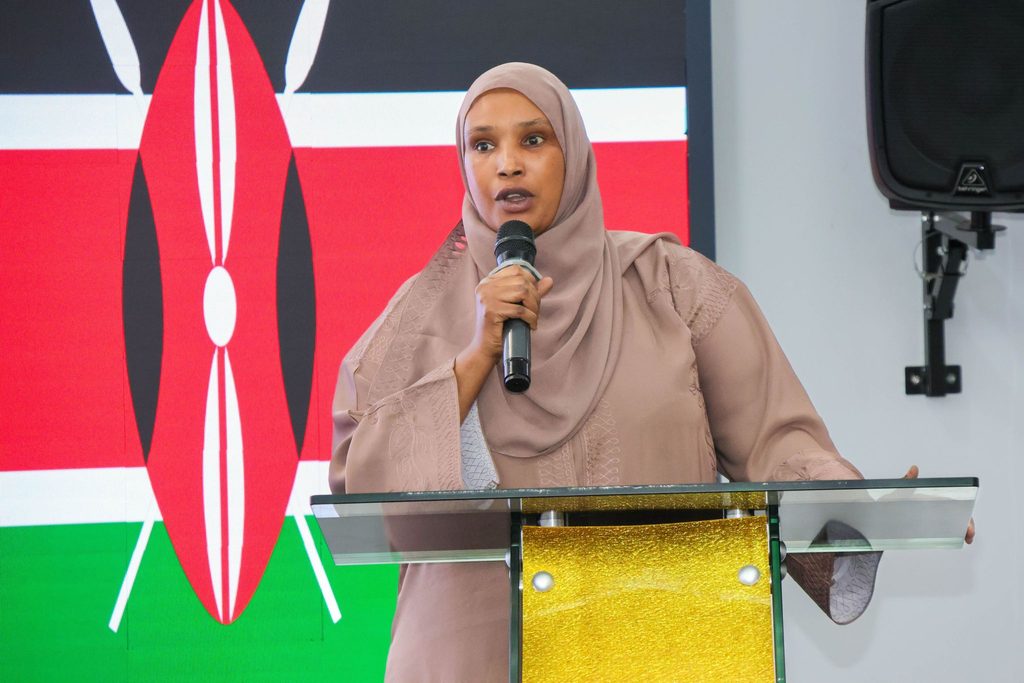
Following the closing ceremony, participants attended a reception hosted by the Australian High Commission in Kenya, where Chargé d’Affaires H.E. Andrew Barnes welcomed the course group. Kenyan participant Zam Adam delivered the final reflection and vote of thanks on behalf of the participants. The completion of the programme marks another step in strengthening Australia–Africa professional partnerships, while giving 30 professionals an opportunity to apply their learning, share expertise and contribute to more coordinated approaches to countering terrorism and violent extremism in their home countries.
