

Melbourne recently hosted a meaningful gathering to mark the International Day of the African Child, a commemoration that continues to grow in awareness within the African diaspora in Australia. For many attendees, it was not only a moment of reflection, but also an opportunity to engage with the deeper historical and social significance behind the day.
The International Day of the African Child is observed annually to honour the events of June 16, 1976, in South Africa, when thousands of Black school children took to the streets to protest the poor quality of education and the imposition of a language that was not their own. Their courage and sacrifice became a powerful symbol of resistance, dignity and the fundamental right to education. Today, the day serves as both a remembrance and a call to action to address ongoing challenges faced by African children across the continent and in the diaspora.
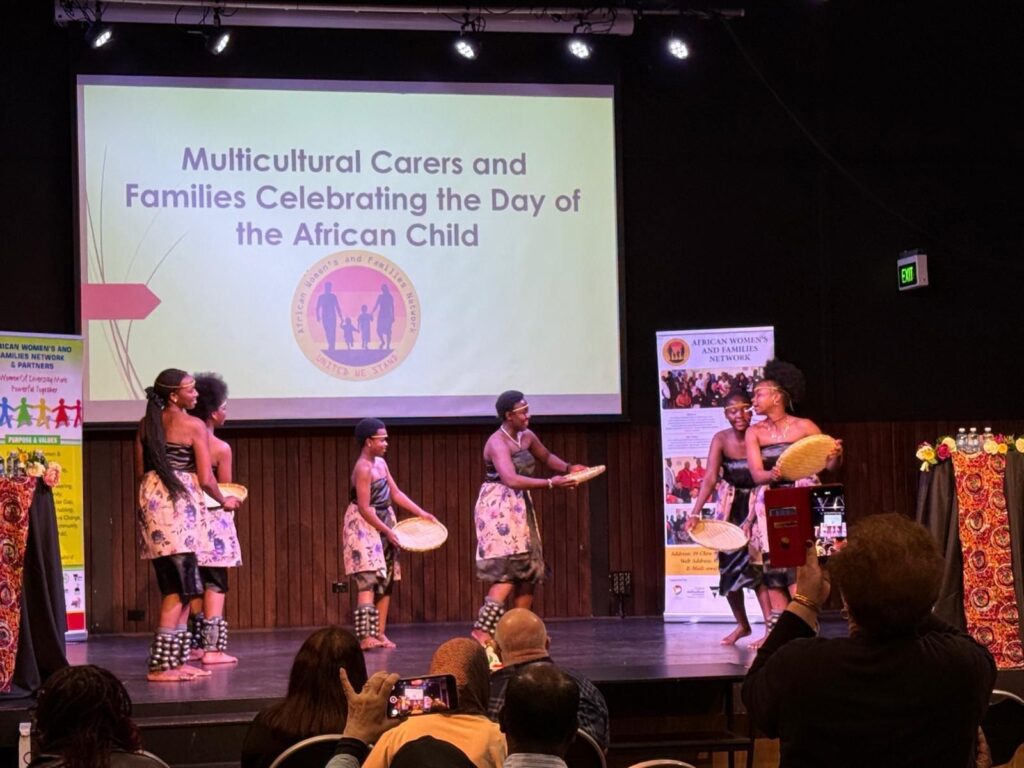
A glimpse of the event held in Melbourne
In Melbourne, the event was brought to life through the work of the African Women’s and Families Network, an organisation committed to supporting African migrant and refugee families through advocacy, community programs and social services. Through initiatives focused on education, family wellbeing and social inclusion, the organisation continues to play an important role in strengthening community resilience and empowerment.
The gathering featured a panel discussion that explored key issues affecting African communities, including access to education, service support systems and disability inclusion. The conversation highlighted both the progress made and the gaps that remain, particularly in ensuring that culturally responsive and inclusive services are accessible to all members of the community.Speakers emphasised the importance of creating environments where every child, regardless of background or ability, has the opportunity to thrive.
The discussion also underscored the need for stronger collaboration between community organisations, service providers and policymakers to address systemic barriers and improve outcomes for African families.
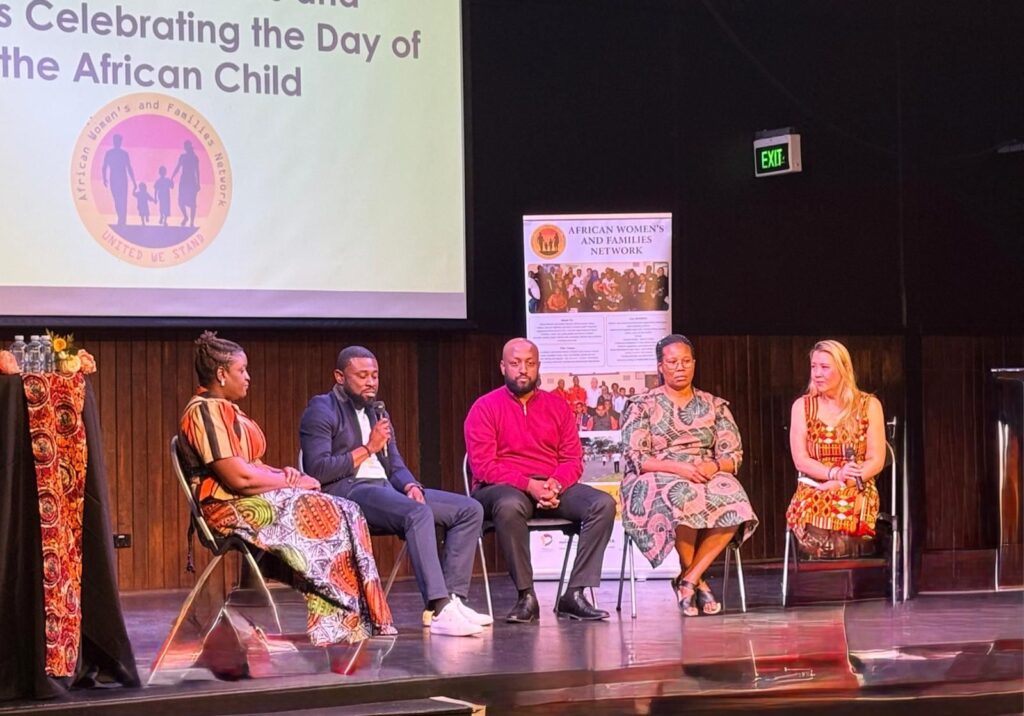
A panel discussion on the day of the event
Beyond the discussions, the event carried a strong sense of unity and shared purpose. It provided a platform for voices within the community to be heard, experiences to be shared and solutions to be collectively explored. It also served as a reminder that the legacy of 1976 is not confined to history, but continues to inspire present-day efforts toward equity and justice.
As awareness of the International Day of the African Child grows in Australia, such gatherings are becoming increasingly important. They not only honour the courage of the past, but also help shape a future where education, inclusion and opportunity are accessible to every child.
