

The Otuho community in Australia has marked a significant milestone, celebrating 20 years of its annual tribal cultural gathering — an event that has grown into one of the most anticipated occasions within the South Sudanese community, particularly among Equatorian groups.
Held last weekend, the celebration brought together more than 500 guests, drawing families, elders, youth and visitors from across the country. Attendees gathered to witness traditional Otuho dances, share food, experience cultural storytelling and enjoy performances that vividly showcased the community’s heritage and identity.
What began in the mid-2000s as a modest initiative has evolved into a major cultural fixture. In its early years, the celebration was organised by a small group of women who chose to work collectively to preserve and pass on their traditions. During the foundational period around 2006, these women established an executive structure, shared leadership responsibilities and ensured the event was sustained through cooperation rather than individual prominence.
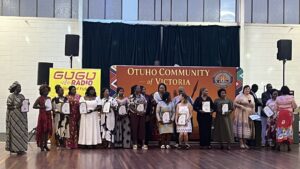
As the gathering expanded over the years, leadership structures also evolved. Chairpersons now serve as public representatives of the organisation, reflecting its growth and increased visibility. However, this year’s anniversary deliberately turned attention back to the origins of the celebration. The women who laid the foundation were formally recognised with certificates of appreciation, acknowledging the often-unseen work of planning, coordination and year-round commitment that enabled the event to endure.
The anniversary also highlighted the role of intergenerational collaboration in sustaining community traditions. Today, young people are taking the lead in shaping the program, introducing new ideas and creative approaches. Their efforts are supported by elders who actively encourage youth participation, fostering confidence, leadership and a sense of ownership among the next generation.


Community leaders noted that this balance between tradition and renewal has been key to the celebration’s longevity. The event is no longer seen simply as a single day on the calendar, but as a shared space of memory, learning and continuity. Children and grandchildren now participate in a cultural environment that was envisioned long before they were born, shaped by trust, cooperation and collective responsibility.
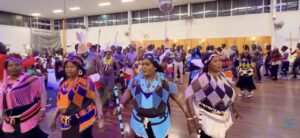
The Otuho, also known as the Lotuko, are one of South Sudan’s 64 tribes, originating from Eastern Equatoria. Members of the community say their experience in Australia reflects a broader truth familiar to many migrant and diaspora groups: cultural practices endure when they are nurtured collectively and passed on with intention.
Two decades on, the annual Otuho cultural celebration stands as a living expression of identity, connection and resilience. By honouring both its beginnings and its evolution, the community continues to strengthen the thread that links past, present and future generations.
