

Western Australians are being urged to have their say on the development of the state’s first-ever Multicultural Act, an initiative designed to enshrine inclusion, cultural diversity and community equity into law. The public consultation period is open now and will close on Sunday, 15 February 2026, giving individuals, community groups and industry sectors the chance to shape the future of multicultural policy in Western Australia.
Spearheaded by Minister for Multicultural Interests Dr Tony Buti, the consultation accompanies the release of an official discussion paper outlining the purpose, priorities and potential impact of the proposed legislation. Dr Buti has already led community consultation sessions in early February, engaging with leaders and residents from diverse cultural backgrounds to encourage broad participation.
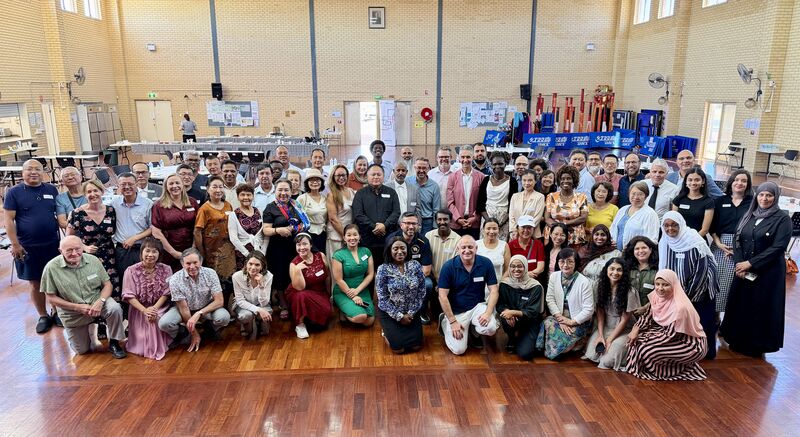
Latest community consultation held in Perth on Sunday 1 February 2026
The Office of Multicultural Interests has indicated that a Multicultural Act would formally recognise the contributions of culturally and linguistically diverse communities while strengthening government accountability in delivering inclusive services.
What the Act Aims to Achieve
The proposed legislation seeks to create a strong legal framework that would:
- Ensure government services are inclusive, culturally responsive and accessible
- Promote social cohesion, respect and intercultural understanding
- Support long-term investment in multicultural programs and community development
- Recognise multiculturalism as a core strength of Western Australian society

Western Australia remains one of the most culturally diverse states in the country, with more than 32 per cent of its population born overseas, representing hundreds of nationalities, languages and traditions.
The discussion paper invites the public to share views on how multicultural values should be embedded into law, how government agencies can be held accountable, and how the Act can benefit communities across metropolitan and regional areas.
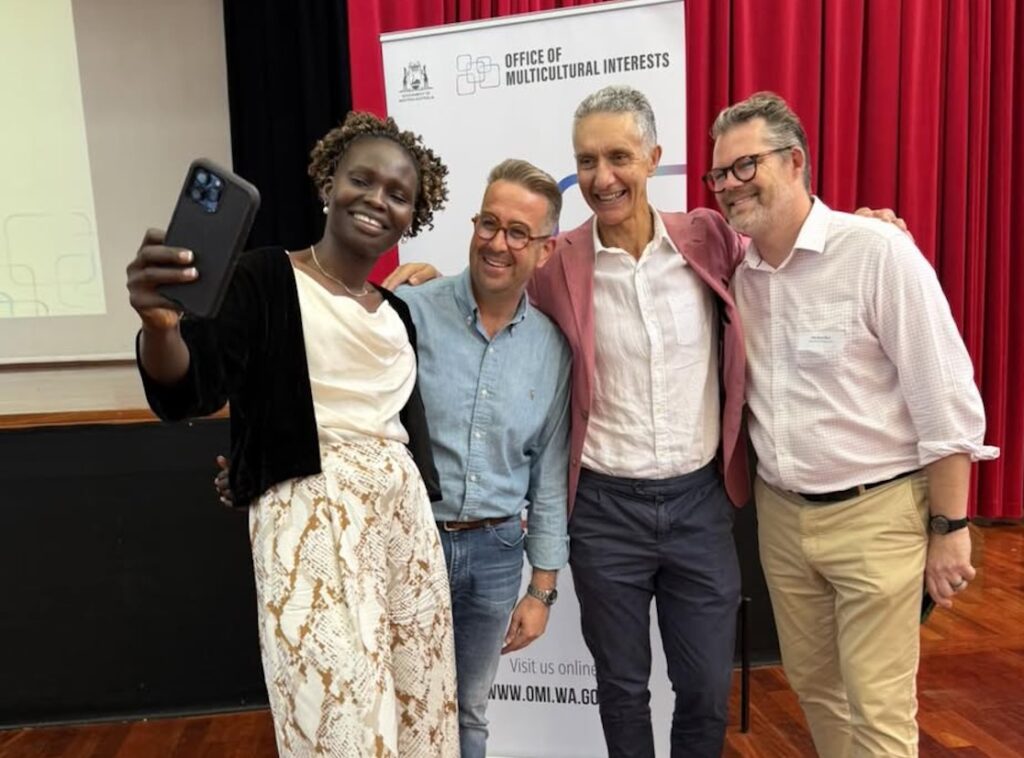
Ayor Maker Chuot, MP (left) with Minister Tony Buti (second from right) during the last community consultation.
How the Community Can Participate
Community members can contribute by completing an online survey or making written submissions through the consultation process facilitated by the Office of Multicultural Interests.
To ensure accessibility, the survey has been translated into more than 20 languages, with additional interpreting and support services available for those who need assistance.
The consultation period began in November 2025 and will remain open until 15 February 2026, after which all feedback will be reviewed and a summary of outcomes released later in the year.
Building on Existing Multicultural Efforts
The proposed Act builds on Western Australia’s ongoing multicultural policies and initiatives, which have aimed to improve culturally responsive service delivery across government departments. In recent years, agencies have increased efforts to embed inclusion into planning, employment, health, education and community services.
The state also continues to recognise outstanding contributions to diversity and community cohesion through annual multicultural awards, celebrating individuals and organisations working to strengthen social harmony.
Why This Matters for Multicultural Communities
Community advocates say legislating multicultural principles could provide long-term stability and protection for inclusion initiatives, regardless of political changes. By embedding multiculturalism into law, the government would signal a lasting commitment to equity, participation and recognition of diverse communities.
For migrant and refugee communities — including African-Australian communities who have made Western Australia home — the proposed Act represents an opportunity to influence how services are delivered, how cultural identity is respected, and how belonging is strengthened across society.
As Western Australia continues to grow more diverse, this consultation offers a rare chance for everyday residents, community leaders and organisations to directly shape the legal foundations of multiculturalism in the state.
