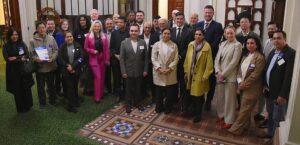

Victorian Opposition Leader Brad Battin welcomed over 40 representatives from multicultural media outlets to Parliament House on Wednesday, 18 June, for a dedicated conference focused on strengthening communication and engagement with culturally and linguistically diverse communities across Victoria.
 Victorian Opposition Leader Brad Battin at Multicultural Media Conference
The event, held in the heart of Melbourne’s political centre, served as a platform for open dialogue and mutual exchange. Journalists and community leaders from a wide range of backgrounds participated in discussions that addressed current challenges and priorities for multicultural communities, including education, crime, and representation.

Joining Mr Battin were Deputy Leader Sam Groth, Shadow Minister for Multicultural Affairs Evan Mullholland, Assistant Shadow Minister for Multicultural Affairs Renee Heath, and Leader of the Liberal Party in the Legislative Council David Davis. Each addressed the media and outlined the Victorian Liberal Party’s plans to ensure more meaningful community consultation and representation.
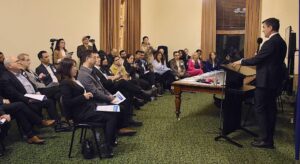
Mr Battin emphasised the importance of genuine engagement that goes beyond appearances and photo opportunities, stating:
“We can’t just be speaking at communities. We need to start listening to them. And that means working with the people who actually carry their stories every day—you.”
Issues raised by media representatives during the evening included the need for stronger support for local-language education and growing concerns about public safety. Mr Battin acknowledged these concerns, particularly around rising crime rates, saying:
“Increased crime is the one issue I hear in every corner of Victoria—from Pakenham to Werribee to Shepparton. Families don’t feel safe and that’s unacceptable.”
The conference underscored the Victorian Liberal Party’s commitment to collaborating closely with multicultural media as a bridge to diverse communities across the state. It also reflected a broader strategy to ensure that policymaking is informed by lived experience and community voices.