

The fatal stabbings of two boys in Cobblebank have reignited urgent debate over Victoria’s response to knife crime and youth violence.
Detective Inspector Graham Banks confirmed that up to eight masked offenders armed with machetes were involved, calling the killings “one of the most horrific crimes in a growing list of youth-related incidents.”
The tragedy comes just weeks after the state introduced a ban on machetes and set up collection bins for dangerous weapons. While police say the laws are helping, community members are questioning whether the measures go far enough.
Local father Elbino Akueng, whose son Dau was one of the victims, voiced frustration: “I protect people where I work, but no one protects my family at home.”
]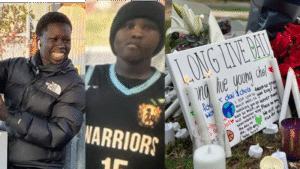
Photos of the two victims and a memorial set up at Cobblebank for Dau (left)
The killings also triggered a political clash. Energy Minister Lily D’Ambrosio offered condolences to the families and said the government’s bail reforms and new knife laws were beginning to make an impact. But Opposition Leader Brad Battin argued more action is urgently needed: “Too many Victorians have been victims of knife crime. These are not statistics — they are shattered families and broken communities.”
Advocates stress that enforcement alone is not enough. Paul Burke from the Les Twentyman Foundation warned that without addressing poverty, disconnection and mental health challenges, more young people risk being caught up in cycles of violence.
Now, questions arise about whether Victoria’s legal framework is fit for purpose. Are tougher penalties and bail reforms solving the problem, or simply moving it around? And can the political response move beyond rhetoric to address root causes before more lives are lost?
These killings highlight the urgency of a broader conversation: how much responsibility lies with police, how much with politicians, and what balance of enforcement and prevention will keep young people safe?
