

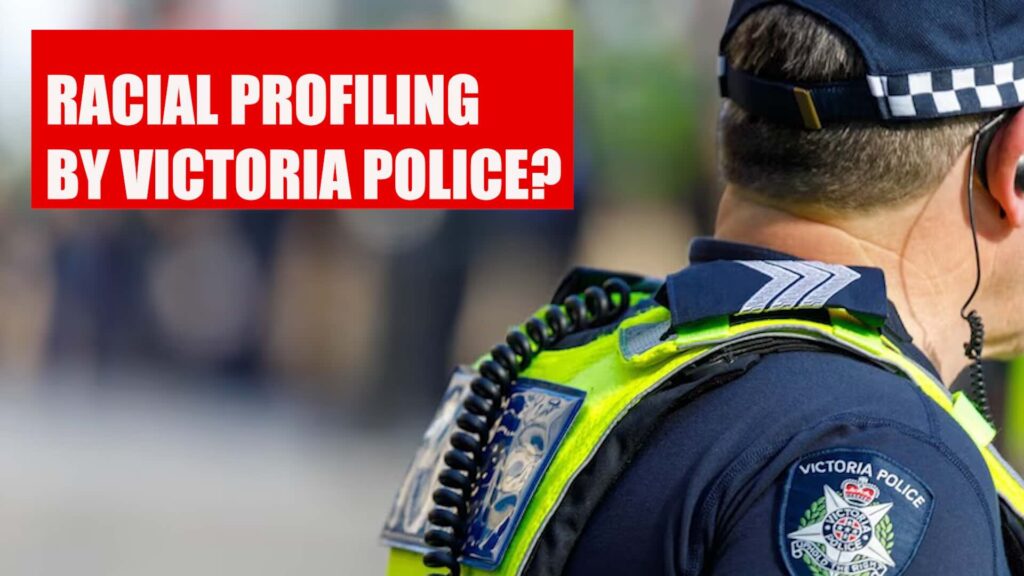
New data analysis has raised serious questions about the fairness of police search practices in Victoria, particularly concerning individuals perceived to be of African descent. Community leaders and advocates are pointing to a persistent failure by Victoria Police to implement key transparency measures, leaving them unable to properly address allegations of systemic bias.
The Guardian newspaper recently published an article on this topic and notes that the data analysis show the most pronounced disparities are observed in Melbourne’s north-western suburbs, including the municipalities of Brimbank and Melton. These areas, home to a significant portion of the city’s multicultural and migrant populations and also ranked among the most economically disadvantaged, showed a stark contrast in search outcomes. According to the findings, police were approximately 86% less likely to find illicit substances when searching a person perceived to be of African appearance compared to a person perceived as white.
This statistical disparity reinforces the lived experiences of many young people from African communities. Andrew Ohide, who leads Victoria’s South Sudanese Community Association, stated that youth frequently confide in him about being intercepted by law enforcement without clear justification. He described the encounters as an ongoing point of tension, where young individuals are routinely stopped despite the absence of any apparent suspicion or legal warrant. Ohide emphasized the need for accountability, asserting that officers who base their actions on racial stereotypes must be held responsible for their conduct.
These ongoing concerns are rooted in a history of unresolved issues. A landmark federal court case involving 19 young people of African background, known as the Haile-Michael case, was settled in 2013. The settlement, which stemmed from allegations of wrongful stops, searches, and assaults in public housing areas between 2005 and 2009, compelled Victoria Police to review its field contact practices and officer training.
Following the case, an independent report commissioned by the police force led to a set of recommendations in 2013. Among the key proposals were the mandatory recording of a person’s perceived ethnic appearance during police interactions and the establishment of systems to monitor policing patterns across different ethnic groups at various levels, from individual officers to the entire state.
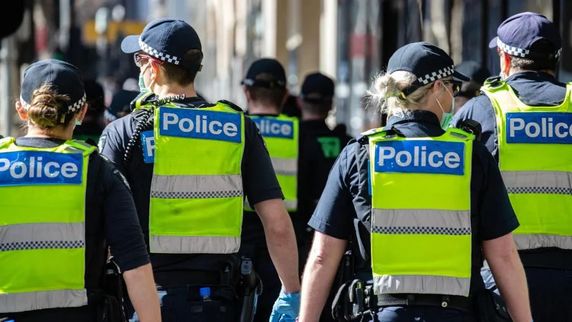
However, a recent investigation has found that these crucial recommendations were never fully put into practice. The mandatory reporting of ethnic appearance was never introduced. Consequently, data on racial appearance was missing from approximately one-fifth of pedestrian search records—22% for drug-related stops and 20% for weapons searches. While Victoria Police acknowledged in a 2016 report that collecting such data is complex, they stated it is included only “where possible” if it aids in identification.
The failure to implement internal monitoring is also drawing criticism. The police force cited privacy laws and concerns over the reliability of existing ethnic appearance data as obstacles. This justification is challenged by the fact that the very data used in the recent external analysis was released by Victoria Police themselves under freedom-of-information laws. This, experts argue, proves that such oversight is both technically achievable and compliant with privacy regulations.
Dr. Berhan Ahmed, head of the community organization Africause, described the findings as a grave matter. He voiced his disappointment that the force has not moved forward with mandatory reporting and urged the system to reframe the issue not just as a matter of policy, but as one of fundamental justice.
