

2 mins read – by Prof Andre Renzaho
I am not CALD: Stop erasing black identity and lived experience
I refuse to be labelled CALD (Culturally and Linguistically Diverse).
Although institutions use the term to promote inclusion, it can reinforce the very exclusion it claims to challenge. It groups vastly different populations together, obscures inequalities and erases distinct racial identities and lived experiences.
I am a Black African Australian. I refuse to have my Black identity diluted, my African heritage diminished or my lived experience reduced to a bureaucratic label.
The problem with CALD goes beyond terminology. It treats white Australians as the norm and everyone else as different. It makes whiteness invisible while marking everyone else as culturally diverse. Why should some Australians have their identity taken for granted while others must constantly explain their difference?
This is not neutral classification. It reflects deeper assumptions about race, identity, belonging and power.
My research and professional experience over more than two decades have shown how broad classifications create serious policy blind spots. When researchers, policymakers and institutions group people with different racial identities, migration histories and socioeconomic circumstances under one label, they conceal important inequalities.
This extends well beyond health. CALD classifications can obscure racial disparities in employment, recruitment, career progression, promotion, leadership representation, remuneration and sport. They can hide who gets opportunities, who advances, who holds decision-making positions and who remains excluded.
In health, aggregated data can conceal specific needs and barriers to care. In employment, broad categories can mask discriminatory recruitment and promotion practices. In sport, they can hide unequal access, representation and opportunities for advancement.
The consequences include poor targeting, inadequate accountability, inappropriate resource allocation and interventions that fail to address structural barriers.
What we fail to disaggregate, we risk failing to recognise. What we fail to recognise, we rarely address.
We cannot tackle inequality while relying on categories that conceal its causes and consequences. We need data, policies and accountability frameworks that recognise racial and ethnic differences rather than burying them under an umbrella label.
Being African does not make me less Australian. Being Black is not a cultural deficit requiring institutional accommodation. My identity is not an administrative category.
Australia has made progress, but it still has a long way to go in confronting institutional racism and challenging the normalisation of whiteness.
We cannot genuinely embrace diversity while treating whiteness as the benchmark for belonging.
I am Black. I am African. I am Australian. These identities are not mutually exclusive. I will not apologise for asserting all three.
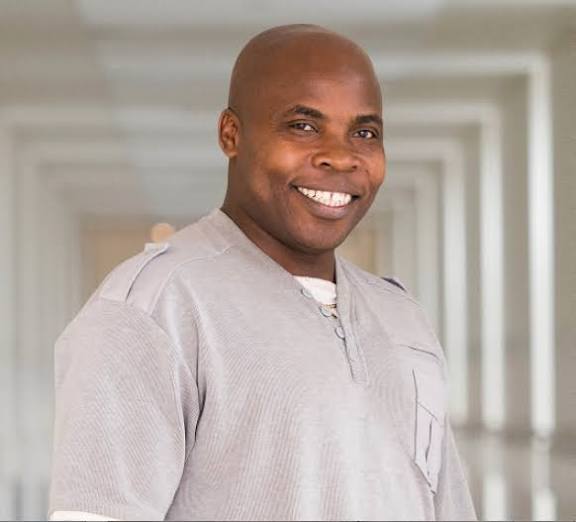
Andre Renzaho is a Distinguished Professor and Professor of Humanitarian and Development Studies; Migration and Health Equity Research and Policy; School of Medicine at Western Sydney University.
