

They told him it wouldn’t work. Factory after factory turned down Theo Baloyi’s idea, describing his design as too unconventional, too risky, and too different from what the market was used to. In total, Baloyi faced rejection from manufacturing partners 13 times before one finally agreed to take a chance — and even then, the first production run consisted of just 100 pairs.
Today, the man whose journey began in a South African township is the founder and CEO of Bathu Shoes, a brand now recognised as one of Africa’s most admired sneaker companies.
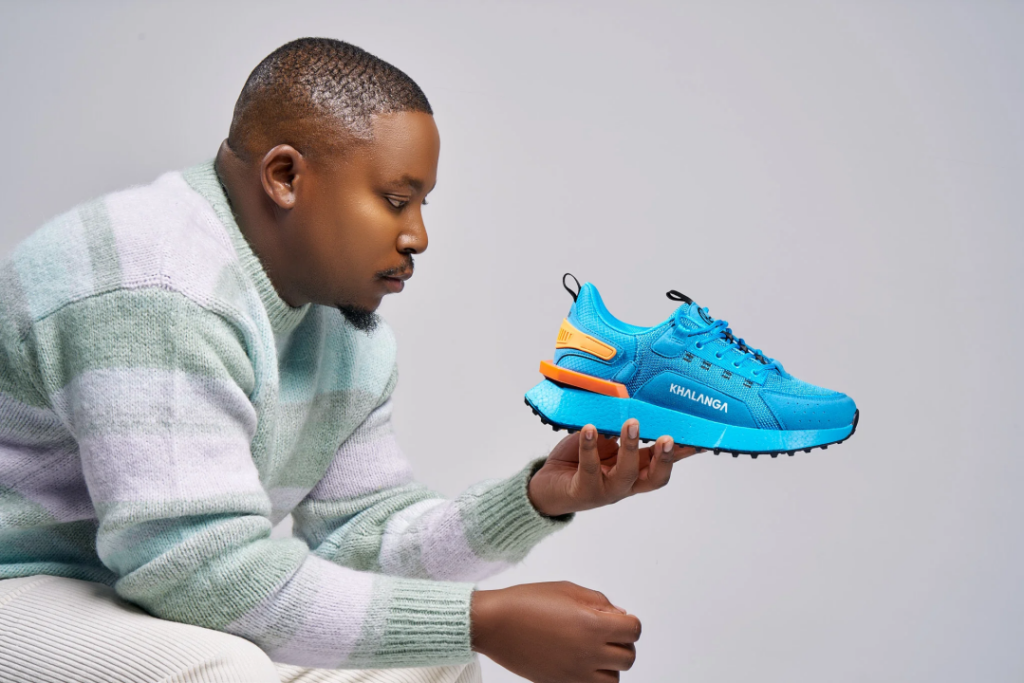
Theo Baloyi Showcasingone his shoe products
From Township Hustle to Global Vision
The name Bathu, township slang for “shoes,” perfectly captured Theo Baloyi’s vision: a brand that would be proudly African, accessible, and deeply rooted in local culture.
While still working full-time, Baloyi spent 18 months researching, designing, and refining his product. That period of quiet persistence led to his breakthrough idea — the Mesh Edition sneaker. Unlike conventional footwear, it was breathable, lightweight, and intentionally different. Manufacturers were unsure how to respond to it, as it challenged traditional sneaker design norms.
The early response was far from encouraging. Most factories dismissed the concept outright. Some claimed it could not be produced, while others doubted there was a viable market for such a product. Yet Baloyi refused to let rejection define the outcome.
After 13 rejections, one manufacturer finally agreed to produce a small batch. With only 100 pairs available, Baloyi began selling the sneakers from the boot of his car and from a back room in Alexandra Township. What began as a modest operation quickly gained momentum — not only because of the design of the shoe, but because people connected with the story behind it. Customers saw themselves reflected in the brand.
From those humble beginnings, Bathu steadily grew into a national success. The brand expanded into multiple retail stores across South Africa, developed a strong online presence, and established itself as a recognised lifestyle label. Today, Bathu is admired not just for its aesthetic, but for what it represents: African creativity, self-belief, and entrepreneurial courage. Its rise demonstrates that local ideas, when executed with clarity and conviction, can compete at the highest level.
For Baloyi, success has never been measured solely by sales figures. Impact has always been central to the mission. Bathu has invested in job creation, youth development, and community upliftment, particularly in underserved areas. Through initiatives such as school shoe donations and community support projects, the brand continues to give back to the communities that shaped it.
Baloyi often describes himself as a product of opportunity, and he is deliberate about creating those same opportunities for others. His journey — from selling perfume door-to-door to leading one of Africa’s most admired sneaker brands — serves as a powerful reminder that rejection is not the end of the story.
More than a business success, Bathu stands as a lesson in walking your own path, even when the road is filled with resistance.
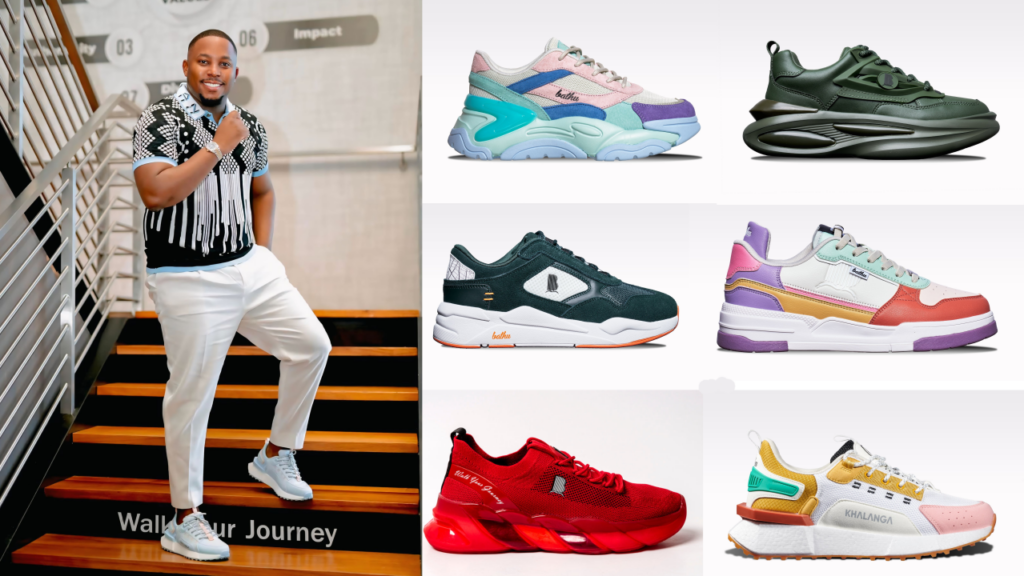
The name Bathu, township slang for “shoes,” reflected exactly what he wanted to build: a brand that was proudly African, accessible, and culturally grounded.
For 18 months, Baloyi researched, designed and refined his product while still working full-time. His breakthrough concept — the Mesh Edition sneaker — challenged conventional footwear design. It was breathable, lightweight, and intentionally different. Manufacturers didn’t know what to make of it.
Rejection, Persistence, and Breakthrough
Most factories dismissed the idea outright. Some said it couldn’t be produced. Others simply didn’t believe there was a market for it.
But Baloyi persisted.
After 13 rejections, one manufacturer finally agreed to produce a small batch. With just 100 pairs in hand, he began selling sneakers from the boot of his car and from a back room in Alexandra Township. What started as a humble operation quickly gained traction — not just because of the shoe, but because of the story behind it.
People saw themselves in the brand.
Scaling a Proudly African Brand
From those early days, Bathu grew into a national success. The brand expanded into multiple retail stores across South Africa, built a strong online presence, and became a recognised lifestyle label.
Bathu is now admired not only for its design, but for what it represents: African creativity, self-belief, and entrepreneurial courage. Its rise proves that local ideas, when executed with clarity and conviction, can compete at the highest level.
Creating Opportunity and Inspiring Hope
For Theo Baloyi, success has never been just about sales figures. It’s about impact.
Bathu has invested in job creation, youth development, and community upliftment, particularly in underserved areas. Through initiatives like school shoe donations and community support projects, the brand continues to give back to the environments that shaped it.
Baloyi often describes himself as a product of opportunity — and he is intentional about creating those same opportunities for others.
A Message for Africa
Theo Baloyi’s journey — from selling perfume door-to-door to leading one of Africa’s most admired sneaker brands — is a powerful reminder that rejection is not the end of the story.
It is proof that African entrepreneurship, when driven by purpose and persistence, can rewrite narratives and inspire hope across the continent.
This is more than a business success story.
It is a lesson in walking your own journey — even when the road says “no.”
