

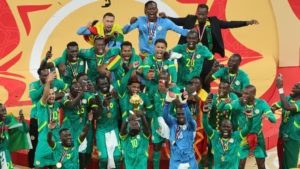
Senegal have been crowned Africa Cup of Nations champions after a dramatic and highly controversial 1–0 victory over hosts Morocco, in a final that will be remembered as much for the incidents as for the football.
Played in front of a packed stadium in Rabat, the 2025 AFCON final lived up to its billing as a clash of two African heavyweights. Morocco, buoyed by home support and recent World Cup success, were chasing a first continental title on home soil in nearly five decades. Senegal, the defending champions, were determined to prove their dominance was no coincidence.
The opening stages were tense rather than spectacular, with both sides cancelling each other out in midfield. Morocco enjoyed spells of possession, while Senegal looked dangerous on the counter, relying on their physical presence and experience on big occasions. Clear chances were limited, reflecting the high stakes and caution from both teams.
The match exploded into controversy late in regulation time. Senegal appeared to have taken the lead from a corner, sparking wild celebrations among their players and supporters. However, after consultation with VAR, the goal was disallowed for a foul in the build-up, a decision that immediately raised tempers on and off the pitch.


Moments later, drama escalated further when the referee awarded a late penalty to Morocco following another VAR intervention. Senegalese players strongly disputed the call and, in an unprecedented move, walked off the pitch in protest, forcing a lengthy stoppage as officials attempted to restore order. The delay, which lasted over 10 minutes, created an atmosphere of confusion and hostility inside the stadium.
When play eventually resumed, Morocco were handed a golden opportunity to settle the final. Under immense pressure, the Moroccan penalty taker attempted a delicate chipped effort, only for Senegal goalkeeper Édouard Mendy to read it perfectly and make a crucial save. The miss proved to be a turning point in the match.
Extra time followed, and Senegal quickly seized the momentum. Just minutes into the first period, a swift attacking move culminated in a powerful long-range strike that beat the Moroccan goalkeeper and finally broke the deadlock. The goal stunned the home crowd and shifted belief firmly in Senegal’s favour.
Morocco pushed forward desperately in search of an equaliser, but Senegal’s defence remained disciplined and resilient. As the clock ticked down, frustration grew among Moroccan players and supporters, while Senegal managed the game with the composure of seasoned champions.
At the final whistle, scenes of jubilation and disbelief unfolded. Senegal had successfully defended their AFCON title, securing their second championship in three tournaments, and doing so in one of the most turbulent finals in the competition’s history.
While Senegal celebrated across Dakar and throughout the diaspora, debate around officiating decisions and crowd control dominated post-match discussions. Moroccan fans and officials expressed disappointment, particularly over the momentum-shifting moments late in regulation time.
Despite the controversy, Senegal’s victory reinforces their status as a modern powerhouse of African football. The final may divide opinion, but the result is now written into AFCON history — a night where football, emotion and chaos collided on the continent’s biggest stage.
